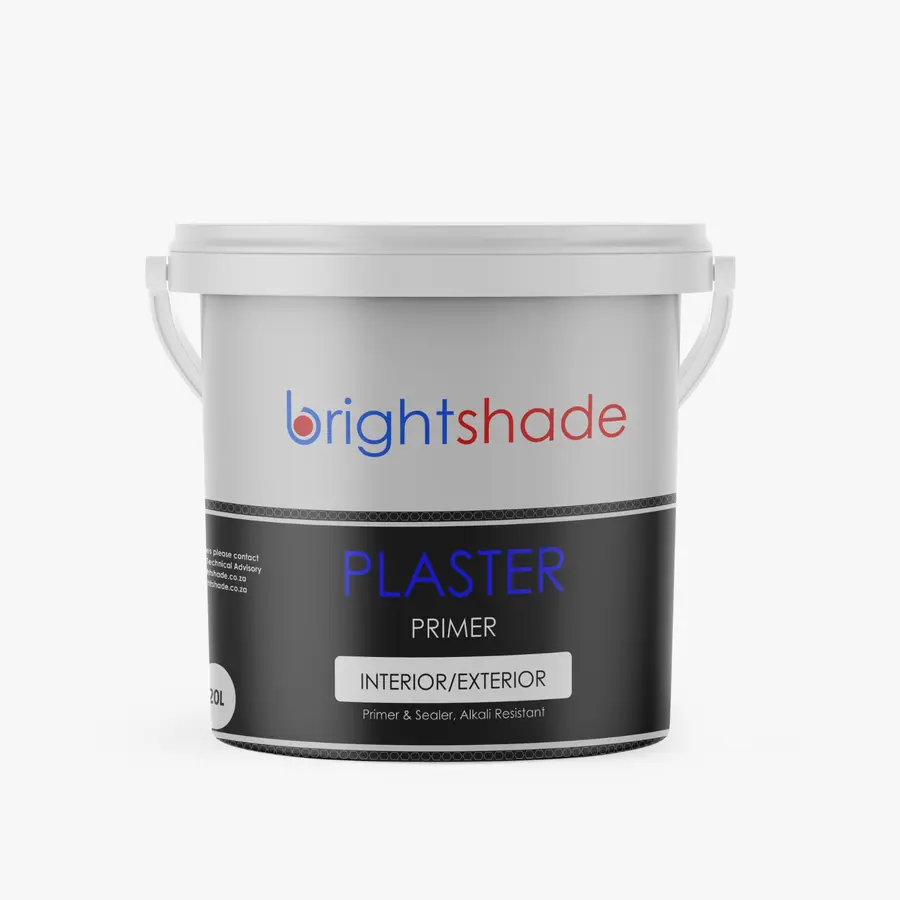
The practical answer.
Primer is non-negotiable when the substrate needs sealing, adhesion, stain control, corrosion protection or a stable foundation. The topcoat is not designed to solve every surface condition by itself.
Step by step
What to do
New or porous plaster
New plaster and highly absorbent masonry can draw liquid unevenly from the coating. Use the preparation system specified for the cured substrate.
Repaired or patchy walls
Filler and repair areas can absorb differently from the surrounding wall. Correct priming helps reduce patchiness and supports even performance.
Chalky or powdery surfaces
A weak surface must be cleaned and assessed. Where appropriate, the specified stabilising or penetrating primer is needed before topcoating.
Smooth or difficult substrates
Dense, glossy or low-adhesion surfaces may require abrasion and a specialist bonding primer such as the specified Surface Grip system.
Metal surfaces
Bare or exposed metal needs correct rust removal and a compatible anti-corrosive primer before the finish coat.
Damp-affected masonry
After the moisture source is corrected, the wall may require a specified damp sealer or protection system rather than ordinary primer.
Before you paint
Checklist
- Substrate identified
- Surface cured where required
- Contamination removed
- Porosity assessed
- Primer compatible with topcoat
- Drying interval followed
Avoid these
Common mistakes
- Using diluted topcoat as a universal primer
- Applying primer over dust or loose paint
- Mixing incompatible coating systems
- Topcoating before the primer has dried correctly